University of California San Francisco
About UCSF

Technology

cryoEM
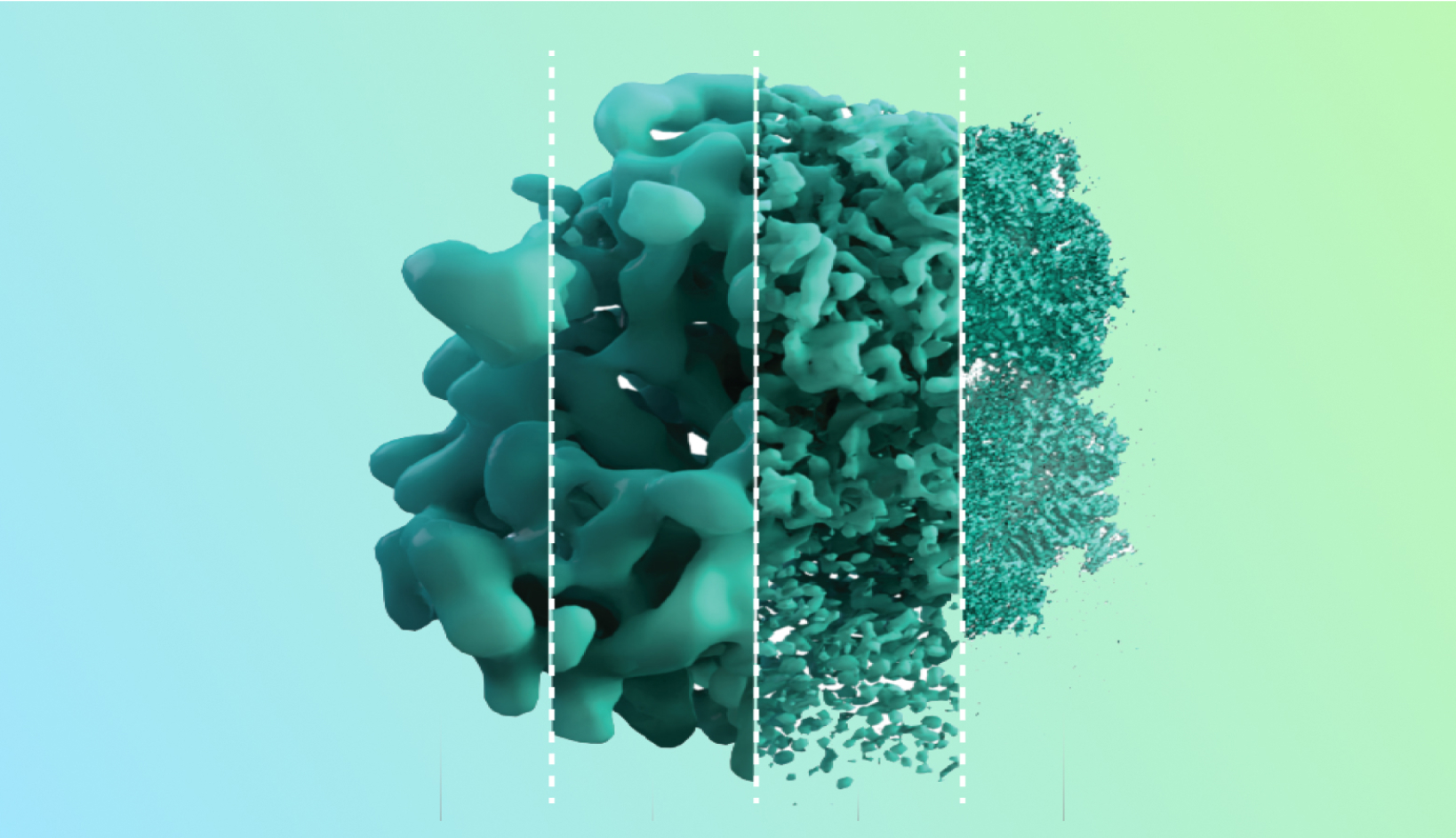
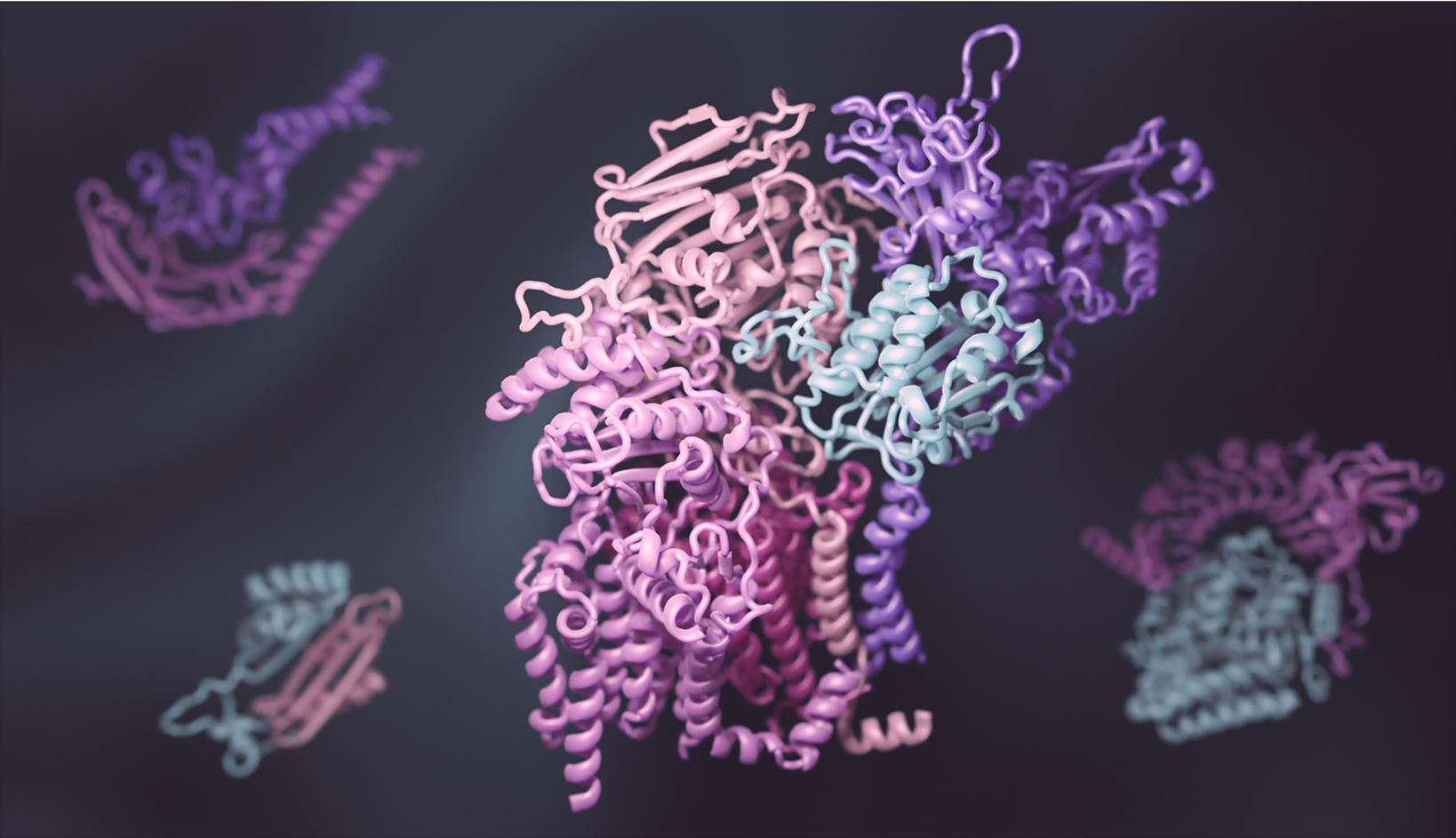
Recent technological breakthroughs in single particle cryoEM, pioneered in part at UCSF, have enabled almost routine determination of atomic structures of a wide range of macromolecular complexes without the need for crystals. This exciting technology is paving the way for a much deeper understanding of biological machines and accelerated drug discovery.
Read More
cryoEM
Docking
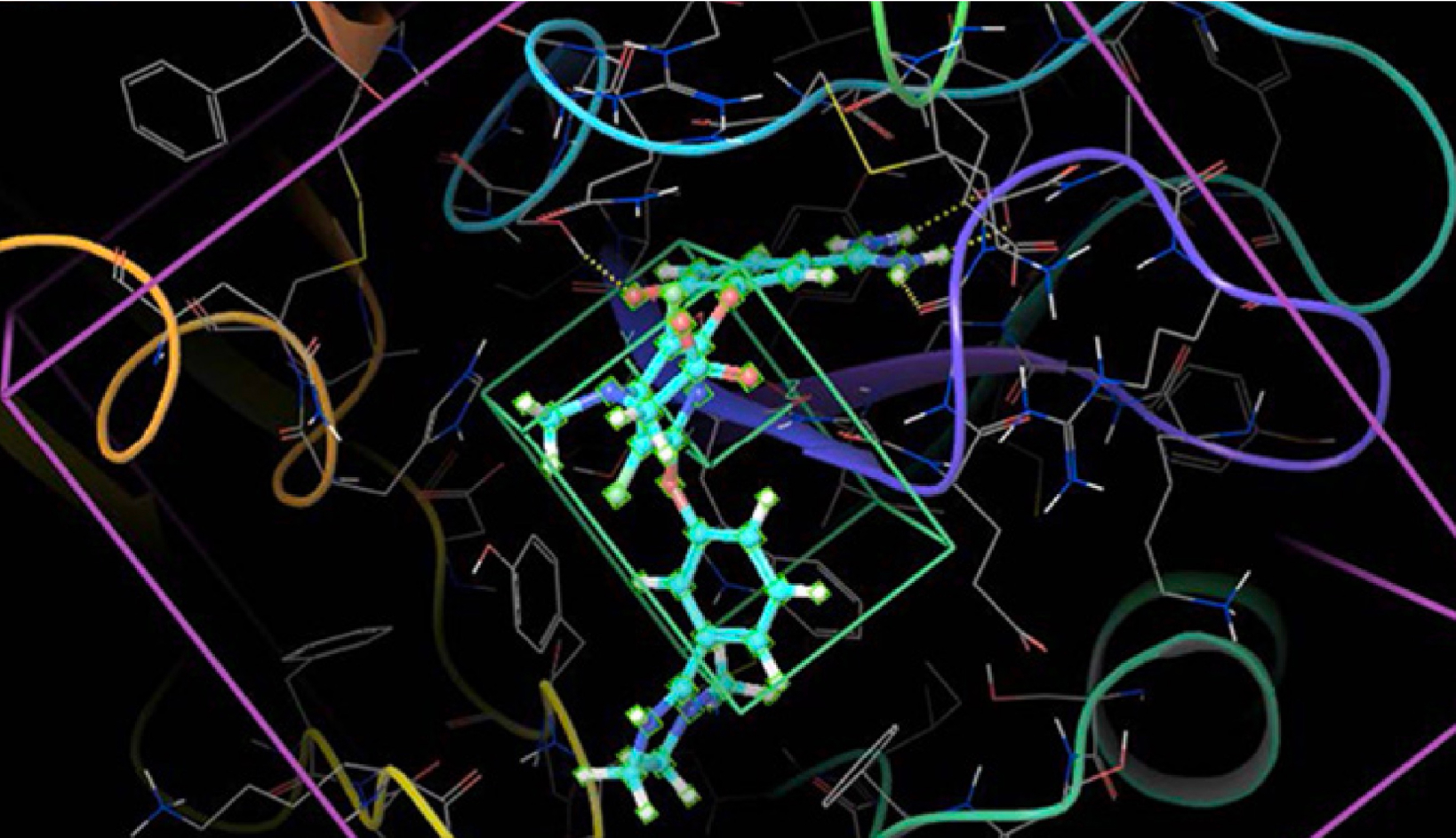
Structure-based ligand discovery begins with the atomic resolution structure of a biological receptor, and seeks to design or discover molecules that will bind to it, modulating the receptor’s function. A central technique to do so is molecular docking. In docking, libraries of about 10 7 molecules are computationally screened for those that fit the structure of the receptor
Read More
Docking
Mass Spec
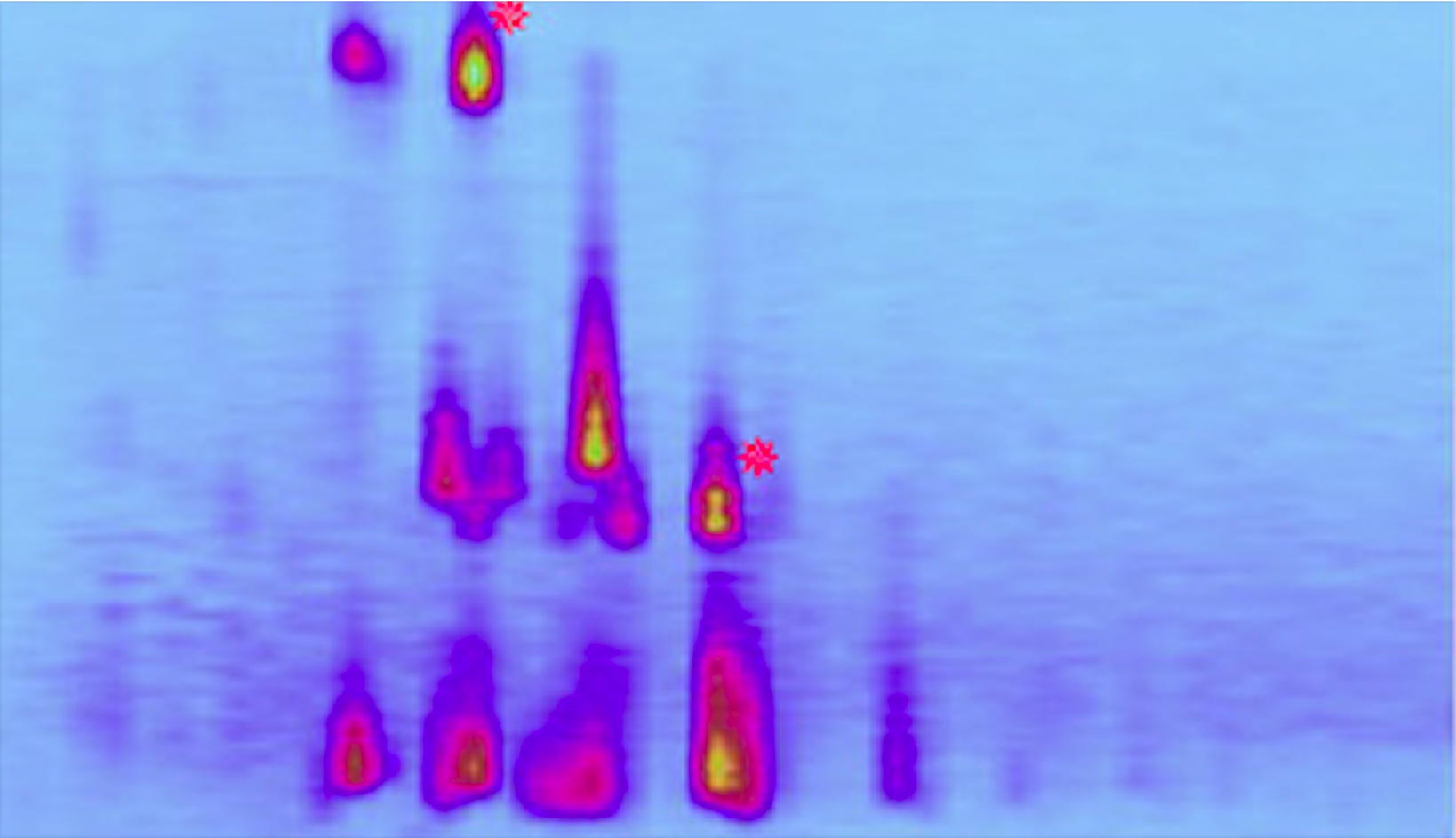
Our bodies are made up of trillions of cells, each containing a copy of our DNA. This DNA is the instruction manual for a cell, and from this instruction manual millions of proteins--the working parts of a cell--are built. These proteins have a variety of different responsibilities in the cell, and just like you and I, a single protein may have different responsibilities from moment-to-moment and throughout its lifetime. Additionally, proteins work together in teams to achieve common goals. Thus proteins form intricate, diverse, and dynamic communities.
Read More
Mass Spec
Microfluidics
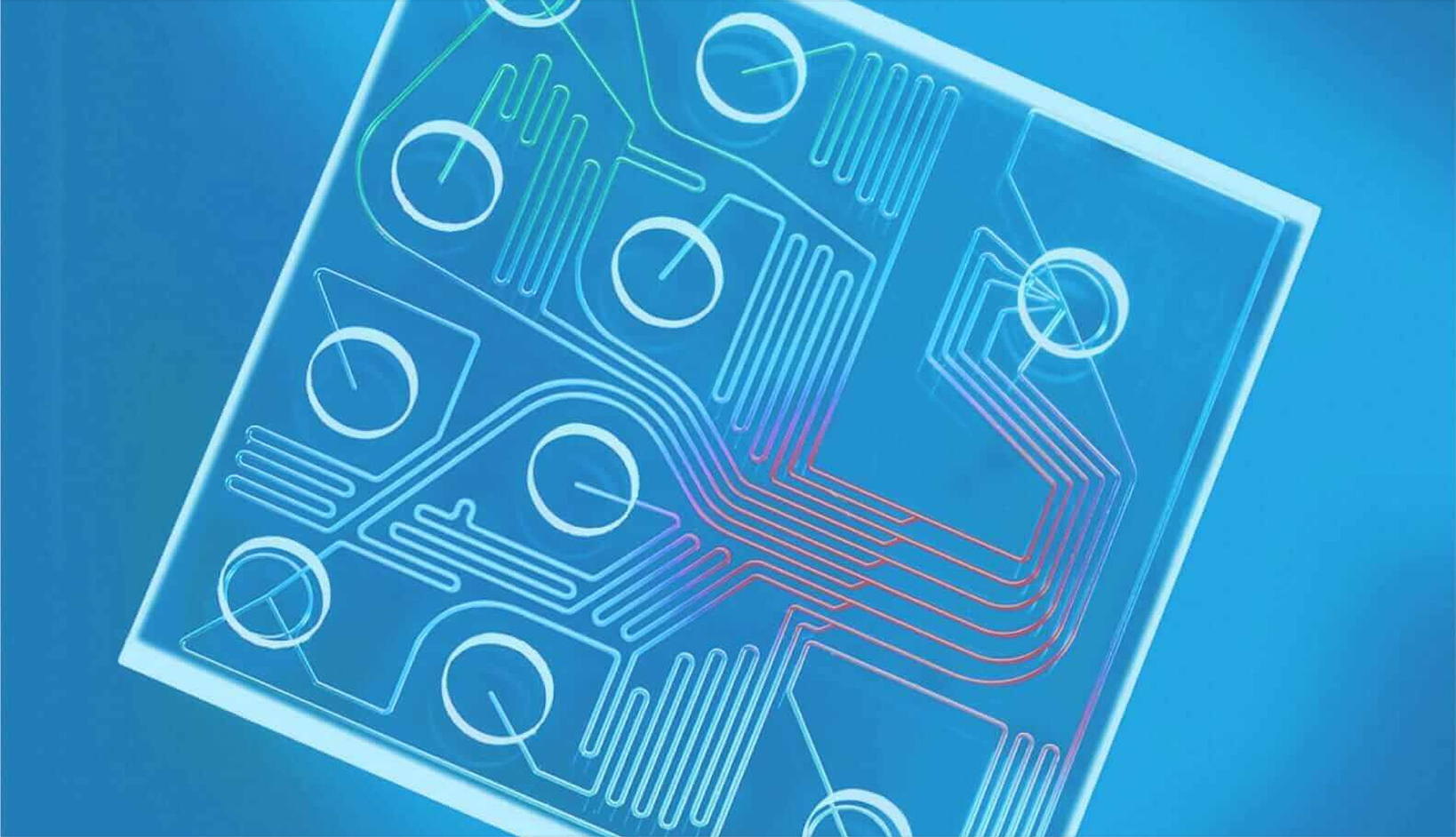
Microfluidics technology uses microdroplets of water (less than a tenth of the diameter of a human hair) as test tubes, which flow by in channels of inert oil at rates of about 1,000 droplets per second. High-throughput sequencing precisely and super-rapidly analyzes the biological contents of those microdroplets—such as the genetic blueprints (genomes) and activity of millions of individual cells.
Read More
Microfluidics
Protein Structure Modeling
Genome sequencing projects are producing linear amino acid sequences, but full understanding of the biological role of these proteins requires knowledge of their structure and function. Although experimental structure determination methods are providing high-resolution structure information about a subset of the proteins, computational structure prediction methods will provide valuable information for the large fraction of sequences whose structures will not be determined experimentally.
Read More
Protein Structure Modeling
The Antibiome Center
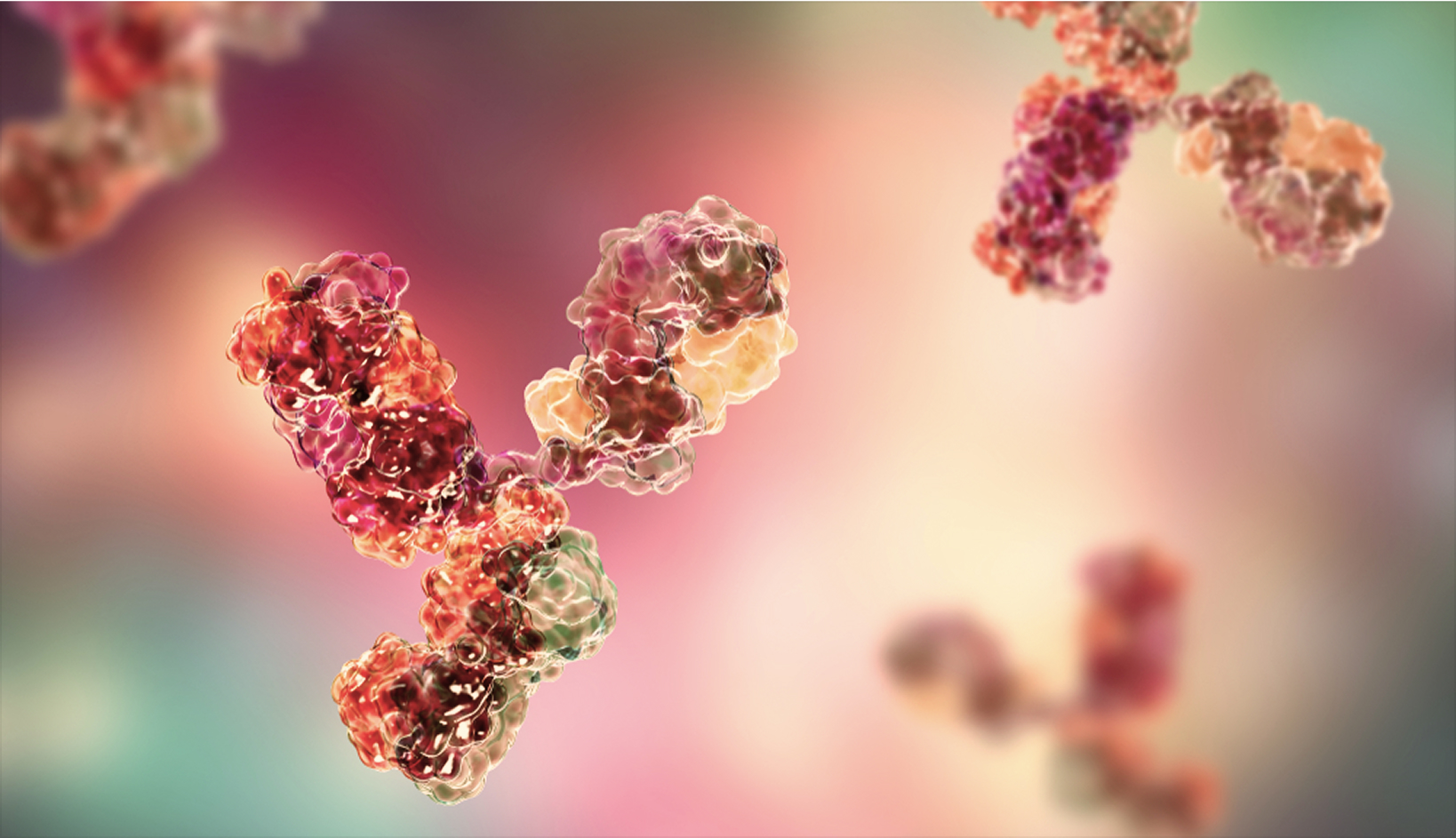
The Antibiome Center: Founded in 2013 by Professor Jim Wells and Director Michael Hornsby, this center is devoted to identification and generation of recombinant antibodies at a proteome-wide scale. We have industrialized the production of high quality antibodies using robot-assisted phage antibody selection and characterization
Read More
The Antibiome Center
X-ray crystallography
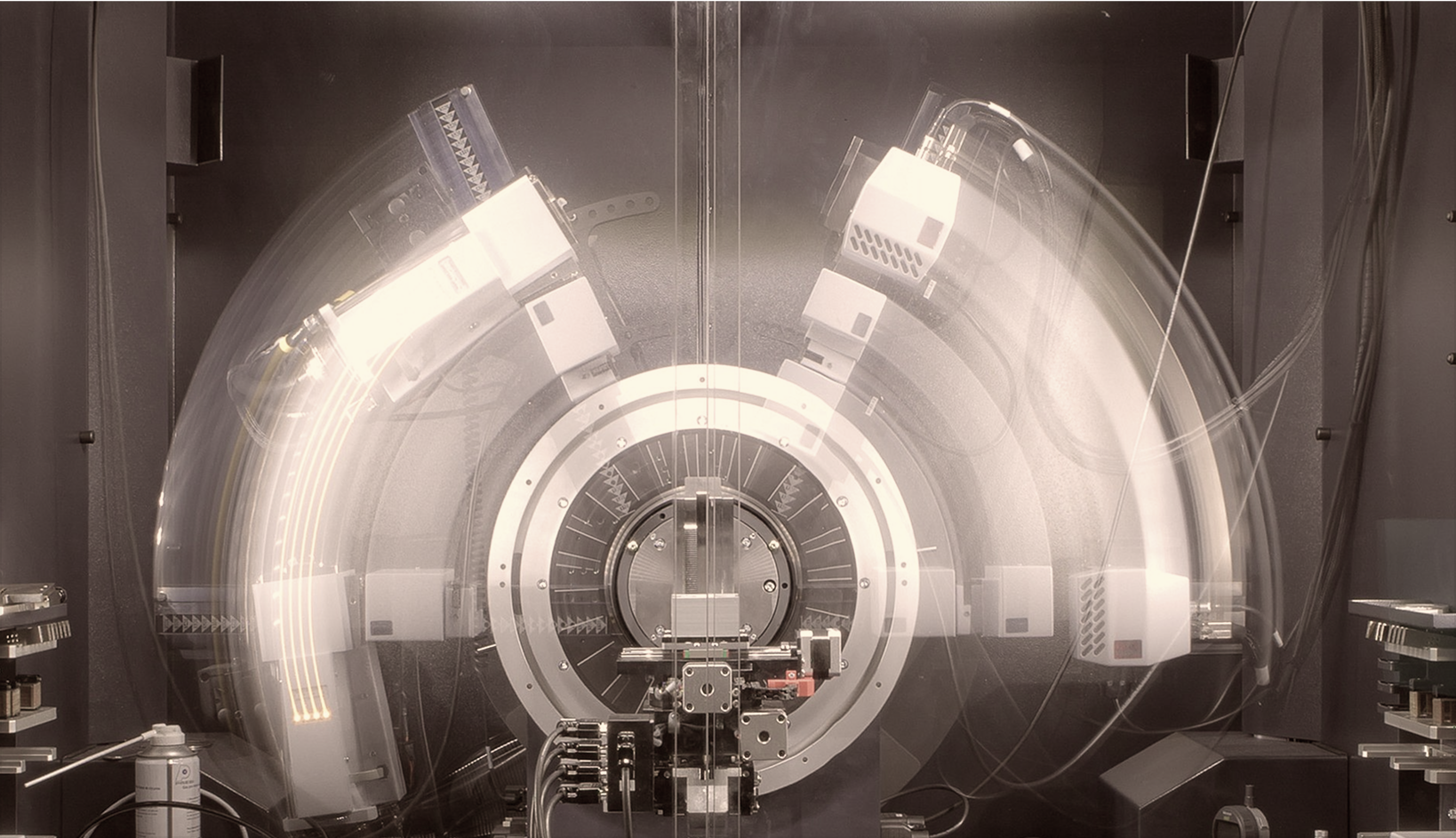
X-ray crystallography is a powerful method to derive protein structural information. Pure proteins can be coaxed into forming beautiful crystals. The periodic arrangement of molecules in the crystal is key to the ability of X-rays to diffract at specific angles. The pattern of these diffracted X-rays can then be mathematically transformed into electron density, which provides a map of the structure of the protein. After building an atomic structure into this map, the protein structure can then be analyzed.
Read More
X-ray crystallography