
QBI’s global network plays a central role in accelerating scientific discovery and strengthening cross-border research. By connecting scientists across institutions, disciplines, and regions, these partnerships bring new perspectives to shared challenges and help break down traditional silos in academia and industry.
University of California San Francisco
About UCSFGlobal Network
International Collaborations
Each pin on the map marks an institution within QBI’s global research network.
Since 2017, QBI has actively built international relationships grounded in a bottom-up, science-first approach. Collaborations typically begin with introductory visits and scientific exchange, followed by joint symposia that allow shared research interests to take shape. As these connections deepen, QBI and partner institutions formalize their commitments through collaborative research projects and joint funding initiatives.
Below are select international collaborations that reflect the depth, longevity, and impact of this approach.
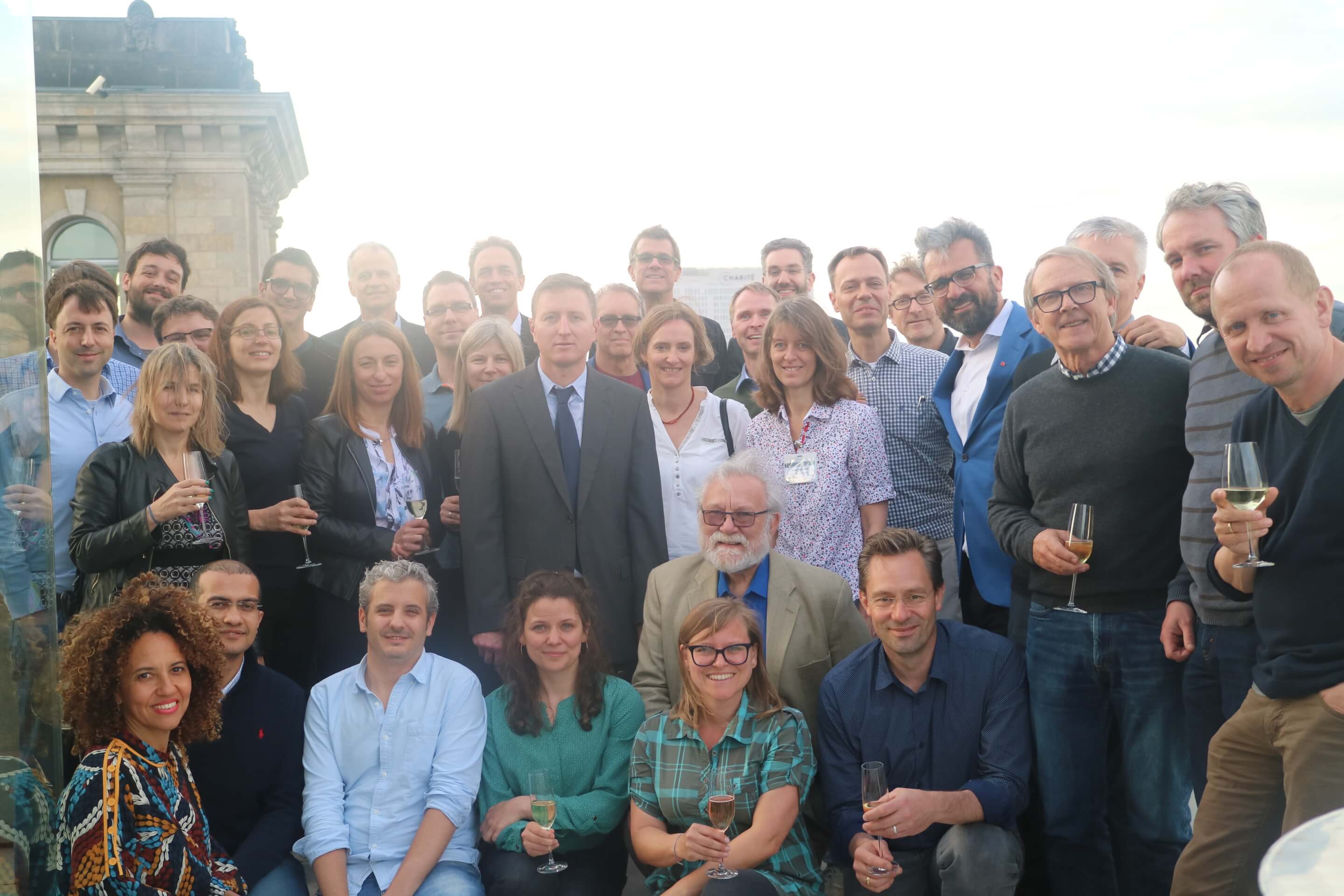
Germany
Freie Universität Berlin
Freie Universität Berlin (FUB) is one of Germany’s leading research universities, internationally recognized for excellence across the life sciences, humanities, and social sciences. Its Department of Biology, Chemistry and Pharmacy is a major hub for interdisciplinary research, spanning molecular biology, chemical biology, structural biology, and pharmaceutical sciences, with a strong focus on translational discovery and innovation.

France
Institut Pasteur
Institut Pasteur is a world-leading research institute advancing discovery in biology, microbiology, immunology, infectious diseases, and global health. Through fundamental research and translational science, Pasteur scientists uncover disease mechanisms and develop innovative diagnostics, vaccines, and therapies to address major global health challenges.

France
Institut Curie
Q-Life is Institut Curie’s interdisciplinary quantitative biology initiative within the PSL University ecosystem, uniting physicists, biologists, mathematicians, chemists, and computational scientists to advance systems-level approaches to biology and cancer. By bridging experimental and theoretical frameworks, Q-Life deepens understanding of cellular organization, dynamics, and disease progression while driving innovation at the interface of physics, biology, and medicine.
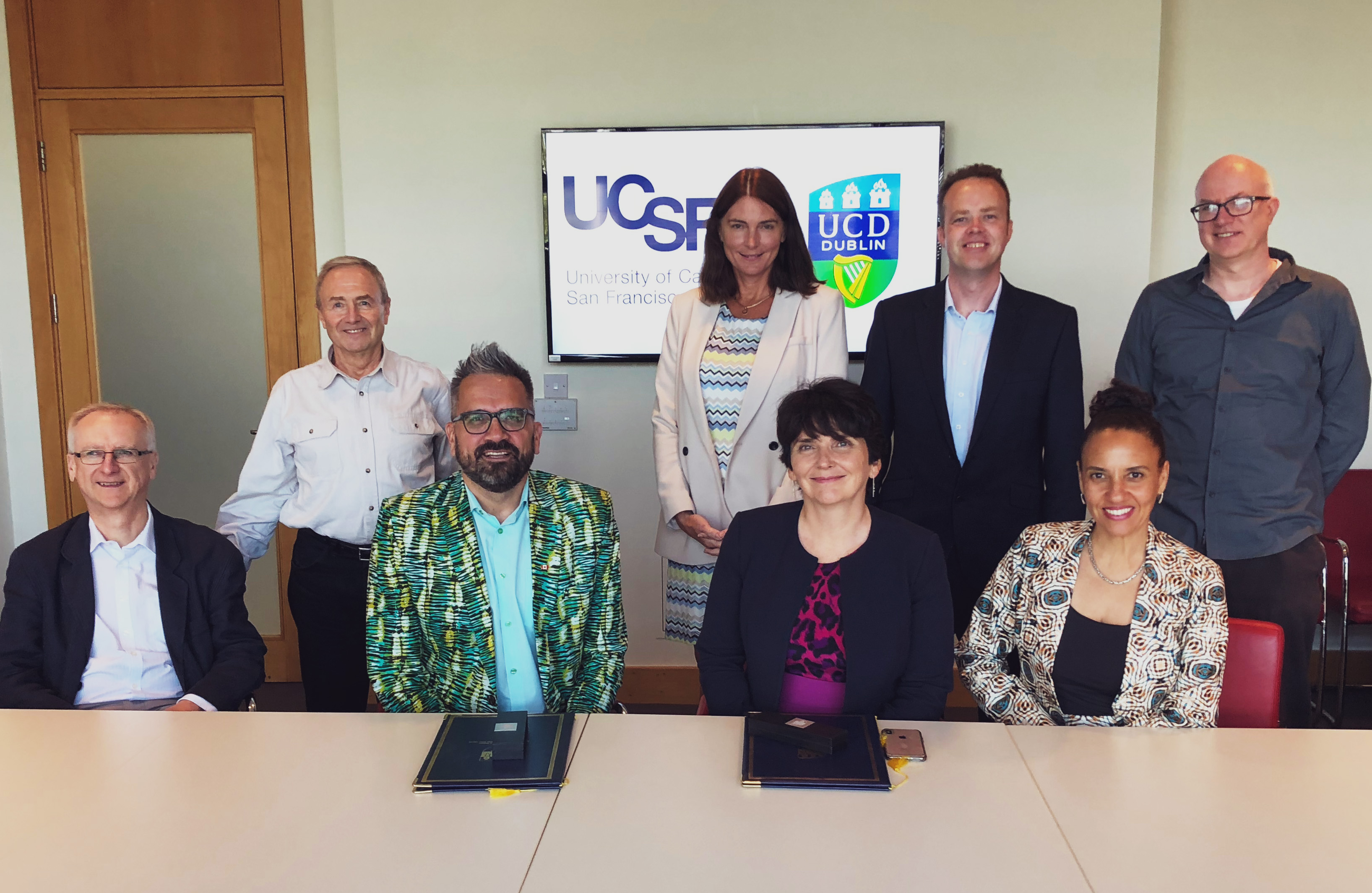
Ireland
University College Dublin
Systems Biology Ireland (SBI) at University College Dublin (UCD) specializes in the analyses and modeling of cellular signal transduction networks with a particular focus on developing new diagnostics and treatment strategies for cancer and inflammatory diseases.
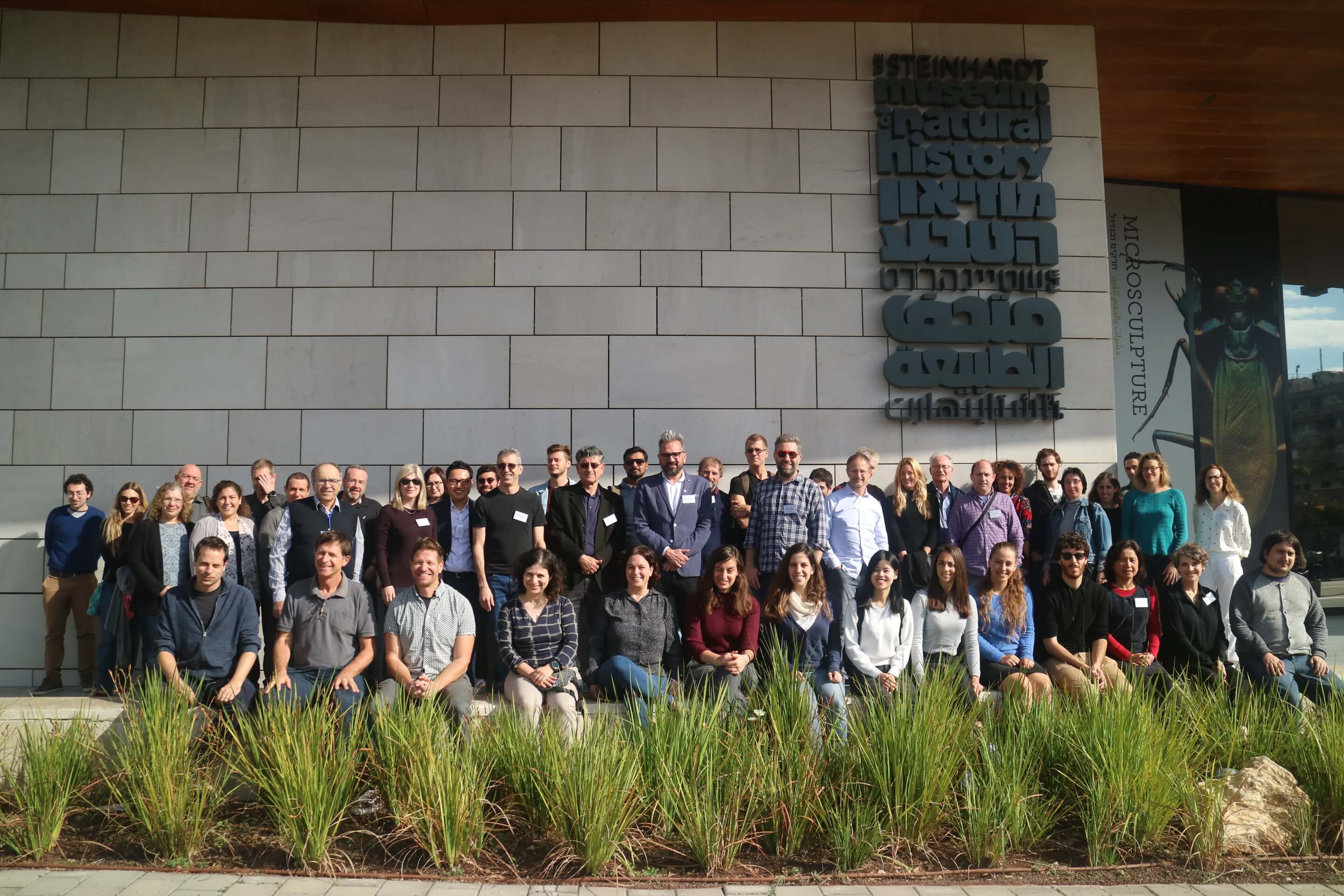
Israel
Tel Aviv University
The Edmond J. Safra Center for Bioinformatics promotes TAU as a leading force in the field of bioinformatics towards the development of novel drugs and biomedical technologies that will improve human health. The Blavatnik Center for Drug Discovery aims to turn excellent multidisciplinary science into therapeutics leads.

Canada
University of Alberta
University of Alberta is one of Canada’s leading research universities, internationally recognized for excellence in science, engineering, medicine, and artificial intelligence.

Canada
University of Toronto
PRiME is the University of Toronto’s interdisciplinary precision medicine initiative, bringing together world-class expertise across biologics, genomics and omics, molecular chemistry, nanomedicine, liquid biopsy, and bioengineering to accelerate discovery and translation in human health. PRiME integrates life sciences, physical sciences, and engineering to develop next-generation diagnostics, therapeutics, and disease models.
PFAIR
The Paul Farmer African Initiative for Research (PFAIR) builds on QBI’s collaborative model and aims to bridge research and capacity-building gaps through equitable partnerships with African universities, and research institutions.
The ultimate vision is to build a future where African researchers lead biomedical research, supported by sustainable research ecosystems that are aligned with Africa-specific challenges and local health needs.

Join our newsletter and receive the latest on QBI news, events and more.
QBI incorporates the UCSF division of QB3, a multicampus UC institute that supports bioscience research and innovation in California
About QB3