University of California San Francisco
About UCSF

Science News

Freie Universität Berlin
Freie Universität Berlin (FUB) is one of Germany’s leading research universities, internationally recognized for excellence across the life sciences, humanities, and social sciences. Its Department of Biology, Chemistry and Pharmacy is a major hub for interdisciplinary research, spanning molecular biology, chemical biology, structural biology, and pharmaceutical sciences, with a strong focus on translational discovery and innovation.
Institut Curie
Institut Curie
Q-Life is Institut Curie’s interdisciplinary quantitative biology initiative within the PSL University ecosystem, uniting physicists, biologists, mathematicians, chemists, and computational scientists to advance systems-level approaches to biology and cancer. By bridging experimental and theoretical frameworks, Q-Life deepens understanding of cellular organization, dynamics, and disease progression while driving innovation at the interface of physics, biology, and medicine.
Institut Pasteur
/collaborations/ip-ucsfqbi
Institut Pasteur
Institut Pasteur is a world-leading research institute advancing discovery in biology, microbiology, immunology, infectious diseases, and global health. Through fundamental research and translational science, Pasteur scientists uncover disease mechanisms and develop innovative diagnostics, vaccines, and therapies to address major global health challenges.
Jagiellonian University
Research conducted at the Faculty of Biochemistry, Biophysics, and Biotechnology at the Jagiellonian University includes contemporary biochemical, biophysical and biotechnological aspects of biological objects ranging from the molecular level through the cellular and up to the level of whole animal and plant organisms.
Leloir Institute Foundation (FIL)
The Leloir Institute Foundation (FIL) is dedicated to research and training young scientists. Their mission is to promote the highest standards of excellence both in the projects carried out in their laboratories and in the training of human resources.
Makerere University
Makerere University
Makerere University is one of Africa’s most prestigious research institutions and Uganda’s oldest university. Through its Infectious Diseases Institute (IDI), Makerere plays a leading global role in research on HIV/AIDS, Ebola, malaria, and other infectious diseases.
Redeemer’s University
The African Centre of Excellence that is devoted to the genomics of infectious diseases (ACEGID) at Redeemer’s University has a mandate to build capacity in the field of genomics in young African scientists and use identify and characterize pathogens of unknown origin using microbial metagenomics.
Tel Aviv University
/collaborations/tau-qbi
Tel Aviv University
The Edmond J. Safra Center for Bioinformatics promotes TAU as a leading force in the field of bioinformatics towards the development of novel drugs and biomedical technologies that will improve human health. The Blavatnik Center for Drug Discovery aims to turn excellent multidisciplinary science into therapeutics leads.
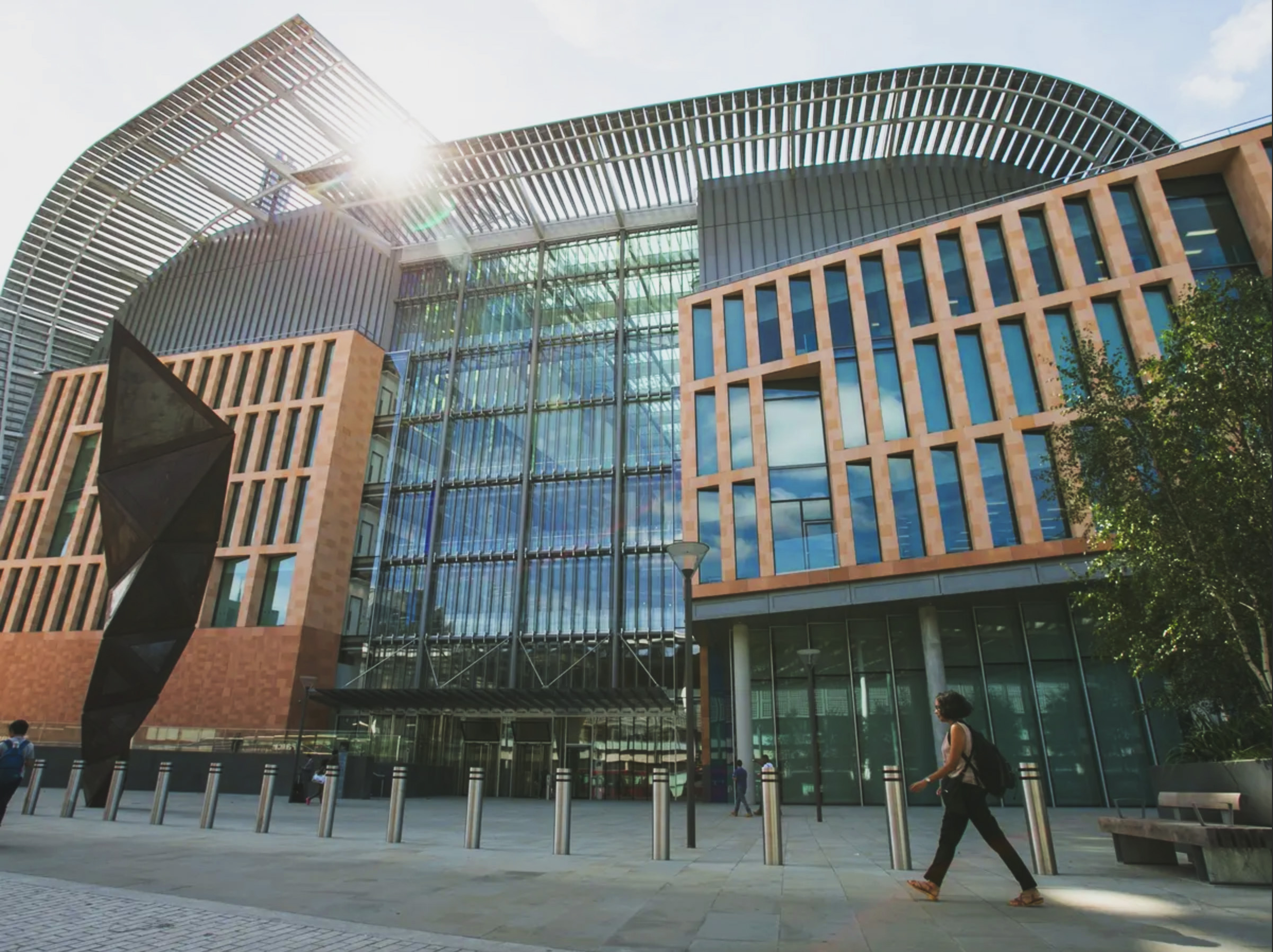
The Francis Crick Institute
The Francis Crick Institute focuses on enhancing the world’s understanding of the fundamental processes of life, to transform the prevention, diagnosis and treatment of human disease.
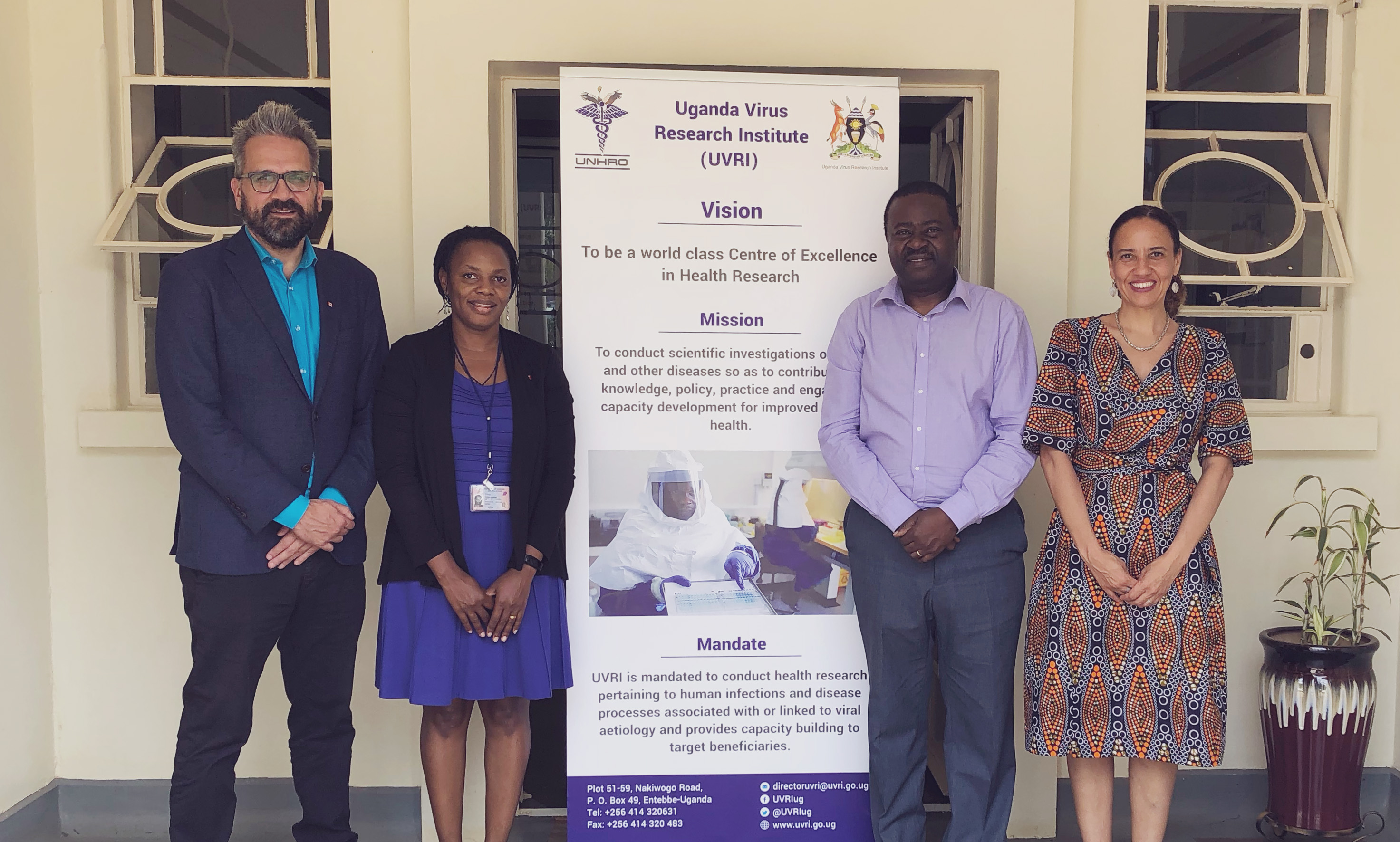
Uganda Virus Research Institute
The UVRI engages in health research pertaining to human infections and disease processes associated with or linked to viral etiology and provides expert advice, enables partnerships and communication and serves as a center for training and education.
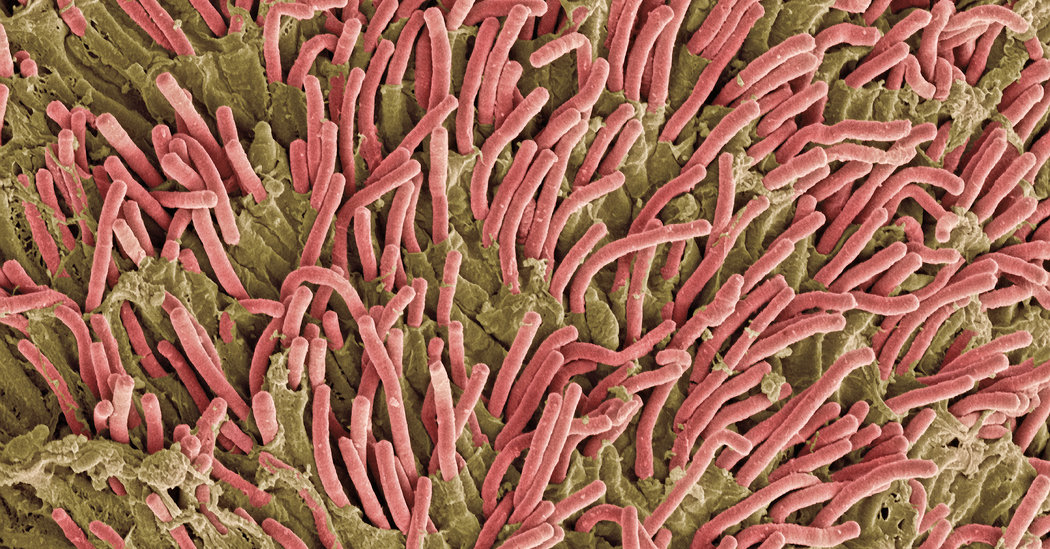
Why Is This Bacterium Hiding in Human Tumors?
NEW YORK TIMES
Why Is This Bacterium Hiding in Human Tumors?
Whether Fusobacterium nucleatum causes colon tumors is unknown. But a new study hints that it may be “an integral part of the cancer.”
Nov 30, 2017
Read More
Growing tiny tumours in the lab could help treat cancer
THE ECONOMIST
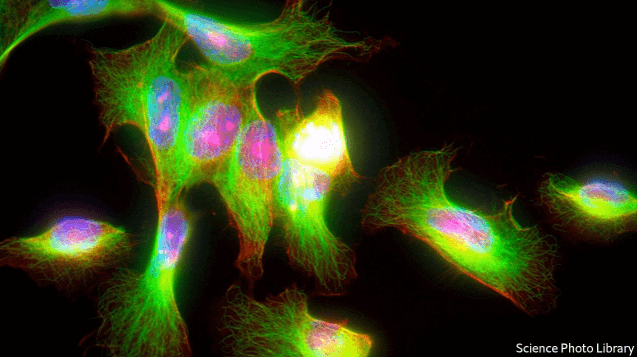
Growing tiny tumours in the lab could help treat cancer
The “tumouroids” mimic real cancers much more closely than traditional cell culture
Nov 16, 2017
Read More
A new nerve-cell monitor will help those studying brains
Economist
A new nerve-cell monitor will help those studying brains

SCIENCE is a mixture of the intellectual and the practical. And the practical requires tools. Until the invention of the telescope, astronomy had been stuck in a rut for millennia. Until the invention of the microscope, microbiology did not exist.

Neuroscience, too, has advanced recently on the back of some powerful tools, particularly techniques for scanning whole brains. But the devices that look at the nitty-gritty of how nerve cells themselves work are still Heath-Robinson affairs. These are the electrodes that record the impulses of individual cells, ideally simultaneously with lots of others, in order to try to work out how networks of cells process information.

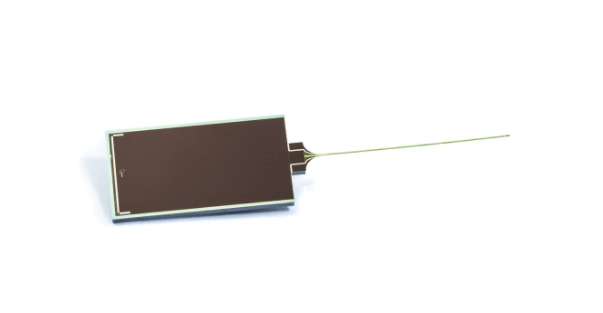
That may change with a device described this week in Nature. The business end of Neuropixels, as the new tool is known, is a probe made in the way that computer chips are made, by photolithography. This probe (see picture) is 1cm long and 70 microns across—about the width of a human hair. It is capable of recording signals from 384 nerve cells at...Continue reading

Nov 08, 2017
Read More
Is your gut microbiome the key to health and happiness?
The Guardian
Is your gut microbiome the key to health and happiness?
Research suggests the vast ecosystem of organisms that lives in our digestive systems might be as complex and influential as our genes in everything from mental health to athleticism and obesity. But is ‘poop doping’ really the way ahead?
Nov 06, 2017
Read More
Scientists solve a dengue mystery: Why second infection is worse than first
STAT
Scientists solve a dengue mystery: Why second infection is worse than first
A theory about dengue has been proved: Antibodies generated by a previous bout of the disease put a person at risk of more severe second infection.
Nov 02, 2017
Read More
The Party: how can gender affect autism spectrum disorders? – Science Weekly podcast
The Guardian
The Party: how can gender affect autism spectrum disorders? – Science Weekly podcast
Why are so many women with autism often misdiagnosed? And how does this issue resonate with broader ideas of neurodiversity?
Oct 12, 2017
Read More
‘Antibiotic apocalypse’: doctors sound alarm over drug resistance
The Guardian
‘Antibiotic apocalypse’: doctors sound alarm over drug resistance
The terrifying prospect that even routine operations will be impossible to perform has been raised by experts alarmed by the rise of drug-resistant genes
Oct 08, 2017
Read More
Jacques Dubochet, Joachim Frank and Richard Henderson win the 2017 Nobel prize in chemistry – as it happened
The Guardian
Jacques Dubochet, Joachim Frank and Richard Henderson win the 2017 Nobel prize in chemistry – as it happened
This year’s prize has been awarded for developing cryo-electron microscopy for the high resolution structure determination of biomolecules in solution
Oct 04, 2017
Read More
What is cryo-electron microscopy, the Nobel prize-winning technique?
The Guardian
What is cryo-electron microscopy, the Nobel prize-winning technique?
The 2017 chemistry laureates were recognised for developing cryo-electron microscopy. But what is it, why is it exciting and where will it take us next?
Oct 04, 2017
Read More
Fighting the flu can be a matter of life and death – so what more can we do?
The Guardian
Fighting the flu can be a matter of life and death – so what more can we do?
Australia is coming out of its most deadly influenza season for more than 10 years and experts say increased vaccination alone will not help enough
Sep 24, 2017
Read More
1
...
6
7
8
9
QBI incorporates the UCSF division of QB3, a multicampus UC institute that supports bioscience research and innovation in California
About QB3