University of California San Francisco
About UCSF
Science News
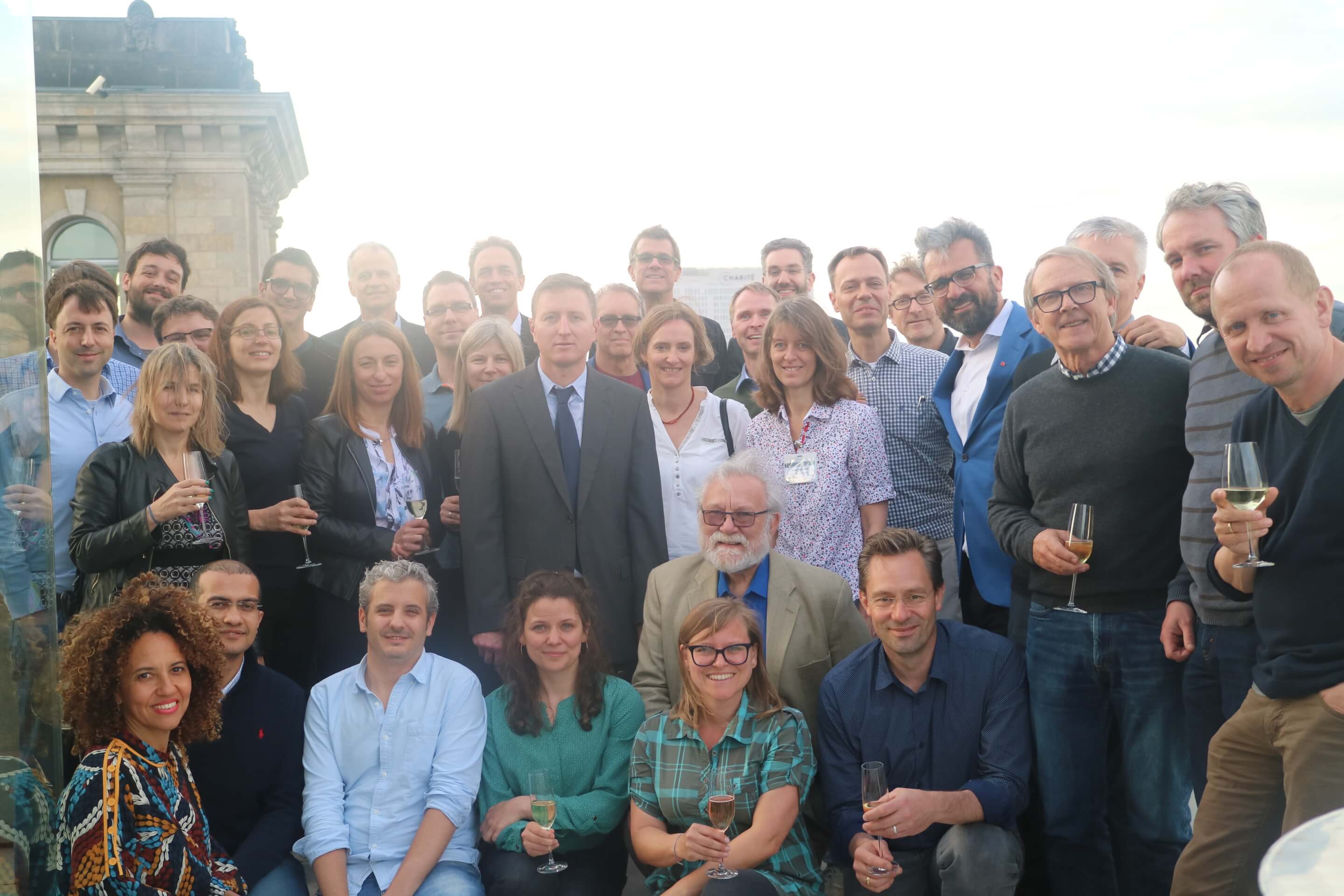
Freie Universität Berlin
Freie Universität Berlin (FUB) is one of Germany’s leading research universities, internationally recognized for excellence across the life sciences, humanities, and social sciences. Its Department of Biology, Chemistry and Pharmacy is a major hub for interdisciplinary research, spanning molecular biology, chemical biology, structural biology, and pharmaceutical sciences, with a strong focus on translational discovery and innovation.

Institut Curie
Q-Life is Institut Curie’s interdisciplinary quantitative biology initiative within the PSL University ecosystem, uniting physicists, biologists, mathematicians, chemists, and computational scientists to advance systems-level approaches to biology and cancer. By bridging experimental and theoretical frameworks, Q-Life deepens understanding of cellular organization, dynamics, and disease progression while driving innovation at the interface of physics, biology, and medicine.

/collaborations/ip-ucsfqbi
Institut Pasteur
Institut Pasteur is a world-leading research institute advancing discovery in biology, microbiology, immunology, infectious diseases, and global health. Through fundamental research and translational science, Pasteur scientists uncover disease mechanisms and develop innovative diagnostics, vaccines, and therapies to address major global health challenges.

Jagiellonian University
Research conducted at the Faculty of Biochemistry, Biophysics, and Biotechnology at the Jagiellonian University includes contemporary biochemical, biophysical and biotechnological aspects of biological objects ranging from the molecular level through the cellular and up to the level of whole animal and plant organisms.

Leloir Institute Foundation (FIL)
The Leloir Institute Foundation (FIL) is dedicated to research and training young scientists. Their mission is to promote the highest standards of excellence both in the projects carried out in their laboratories and in the training of human resources.

Makerere University
Makerere University is one of Africa’s most prestigious research institutions and Uganda’s oldest university. Through its Infectious Diseases Institute (IDI), Makerere plays a leading global role in research on HIV/AIDS, Ebola, malaria, and other infectious diseases.
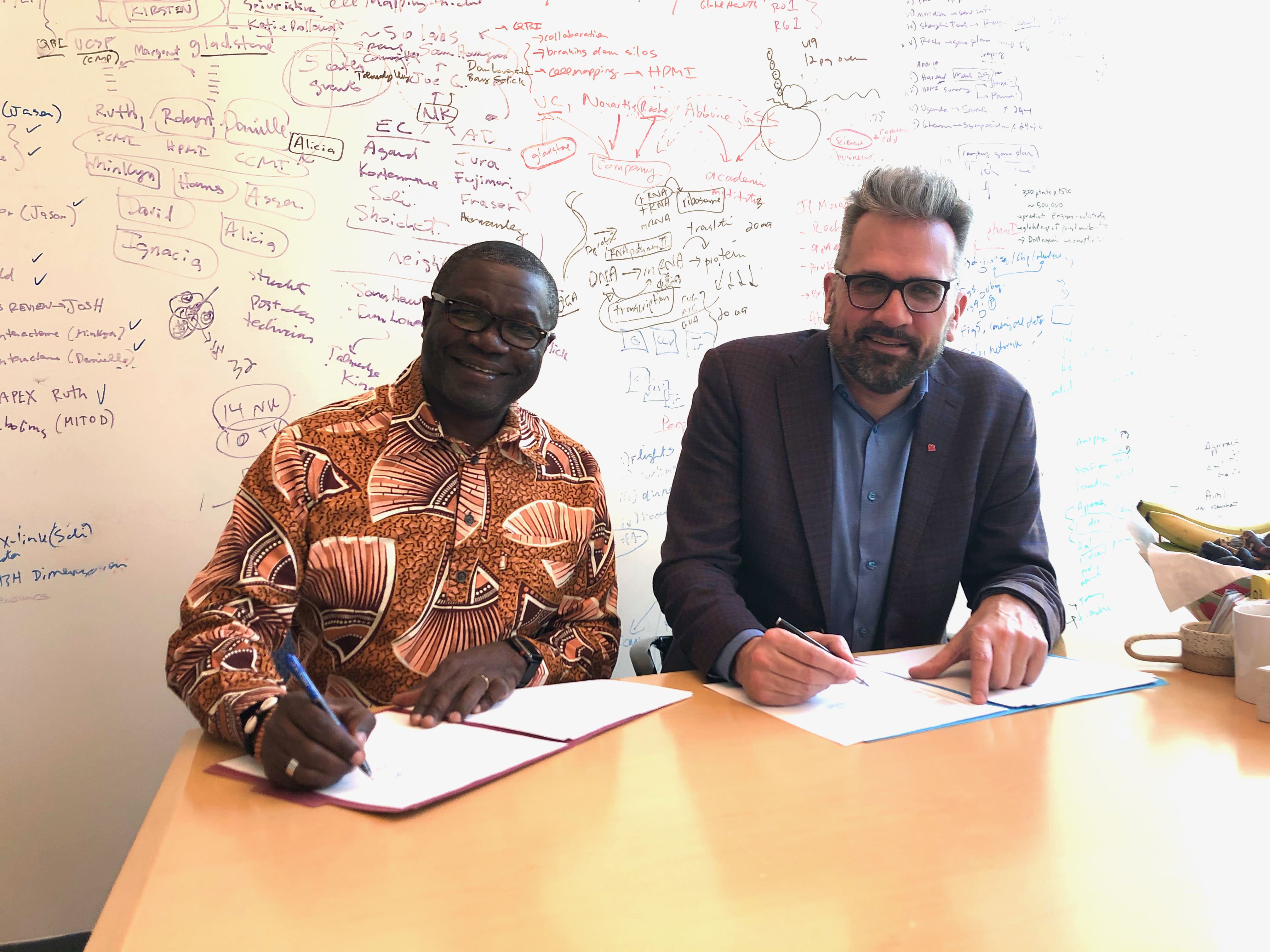
Redeemer’s University
The African Centre of Excellence that is devoted to the genomics of infectious diseases (ACEGID) at Redeemer’s University has a mandate to build capacity in the field of genomics in young African scientists and use identify and characterize pathogens of unknown origin using microbial metagenomics.
/collaborations/tau-qbi
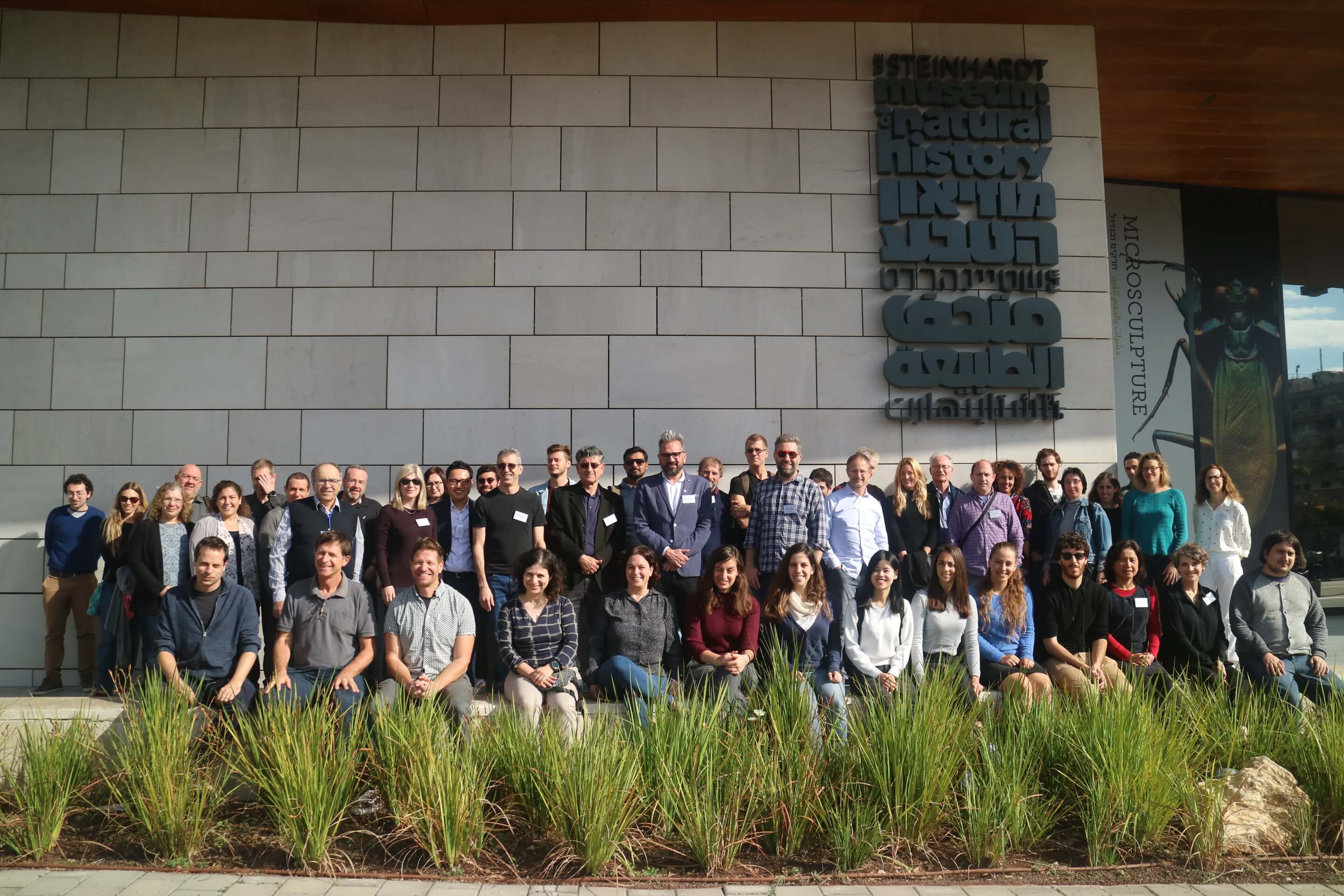
Tel Aviv University
The Edmond J. Safra Center for Bioinformatics promotes TAU as a leading force in the field of bioinformatics towards the development of novel drugs and biomedical technologies that will improve human health. The Blavatnik Center for Drug Discovery aims to turn excellent multidisciplinary science into therapeutics leads.
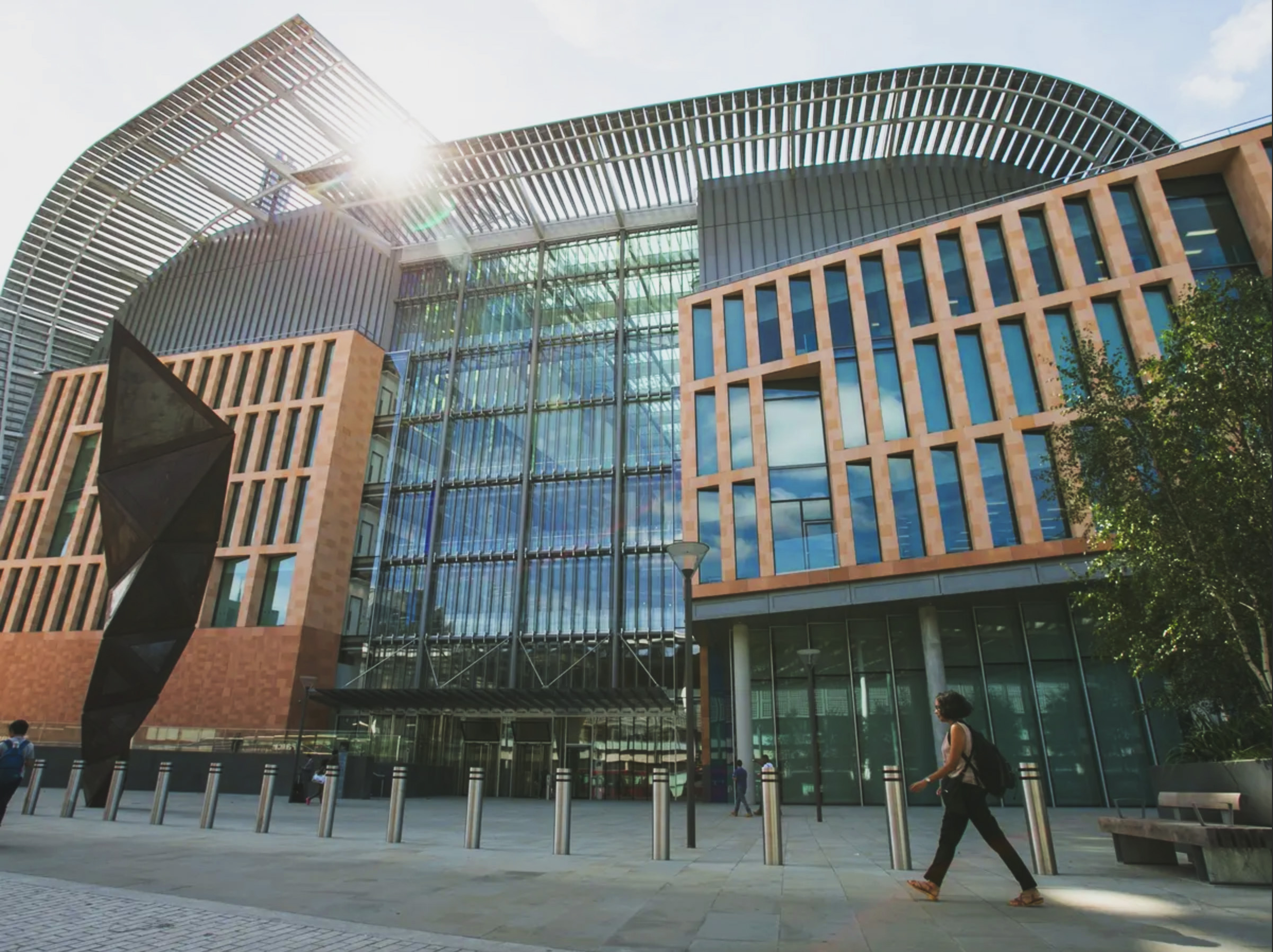
The Francis Crick Institute
The Francis Crick Institute focuses on enhancing the world’s understanding of the fundamental processes of life, to transform the prevention, diagnosis and treatment of human disease.
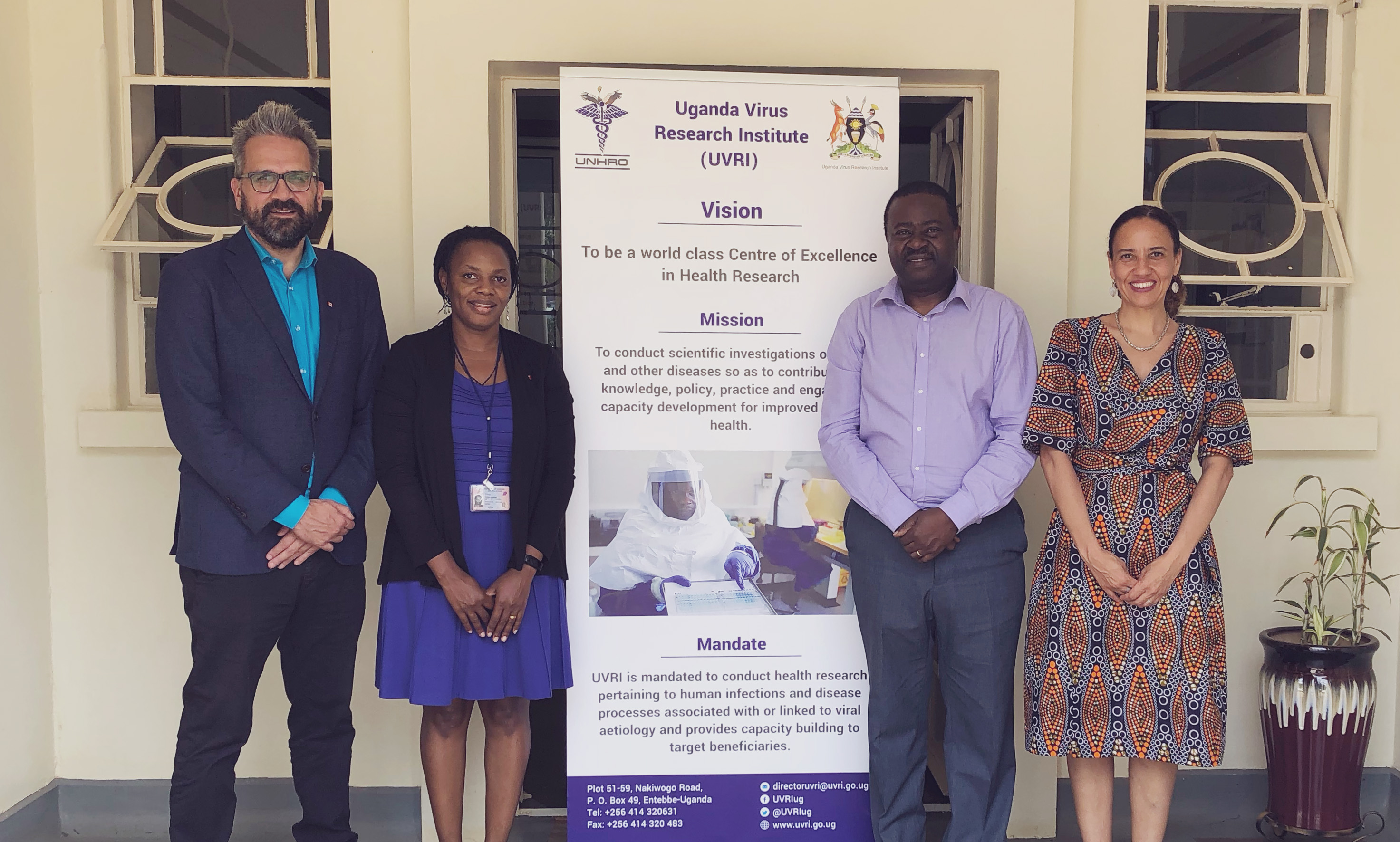
Uganda Virus Research Institute
The UVRI engages in health research pertaining to human infections and disease processes associated with or linked to viral etiology and provides expert advice, enables partnerships and communication and serves as a center for training and education.
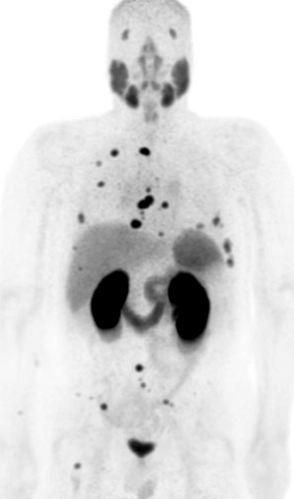
UCSF Department of Radiology and Biomedical Imaging
Scientists at UCSF Study Impact of 68Ga-PSMA-11 PET on Post Radical Prostatectomy (RP) Salvage Radiotherapy
Scientists at UCSF Study Impact of 68Ga-PSMA-11 PET on Post Radical Prostatectomy (RP) Salvage Radiotherapy
Aug 07, 2019

American Society for Microbiology
Rise of Candida Auris May be Blamed on Global Warming
Global warming may have played a pivotal role in the emergence of Candida auris.
Jul 30, 2019
The New Yorker
The Promise and Price of Cellular Therapies
New “living drugs”—made from a patient’s own cells—can cure once incurable cancers. But can we afford them?
Jul 26, 2019
TheScienceBreaker
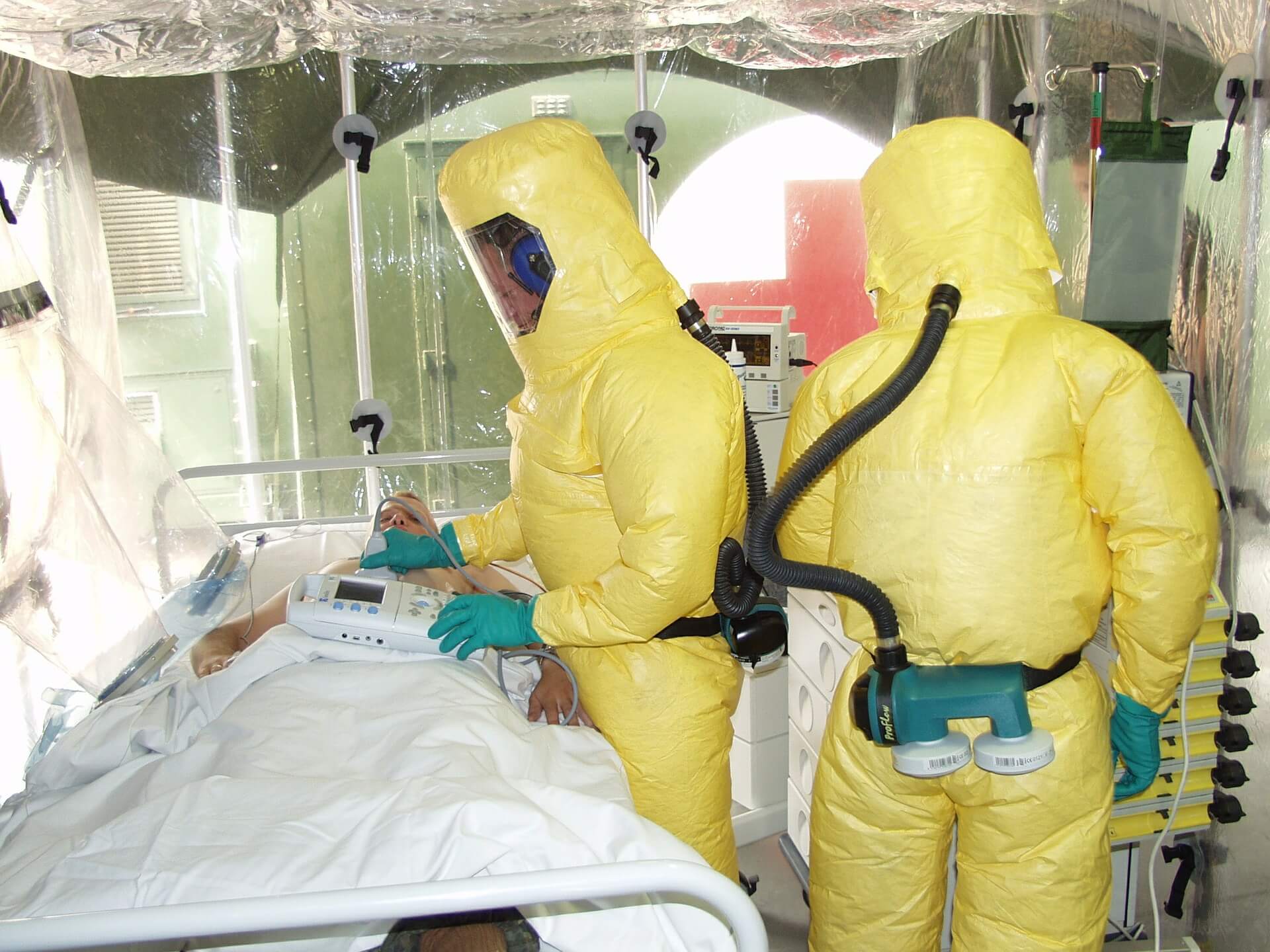
A new strategy to beat Ebola virus at its own game
Ebola virus interacts with proteins in human cells. A human protein called RBBP6 that reduces the virus’ growth.
Jul 17, 2019
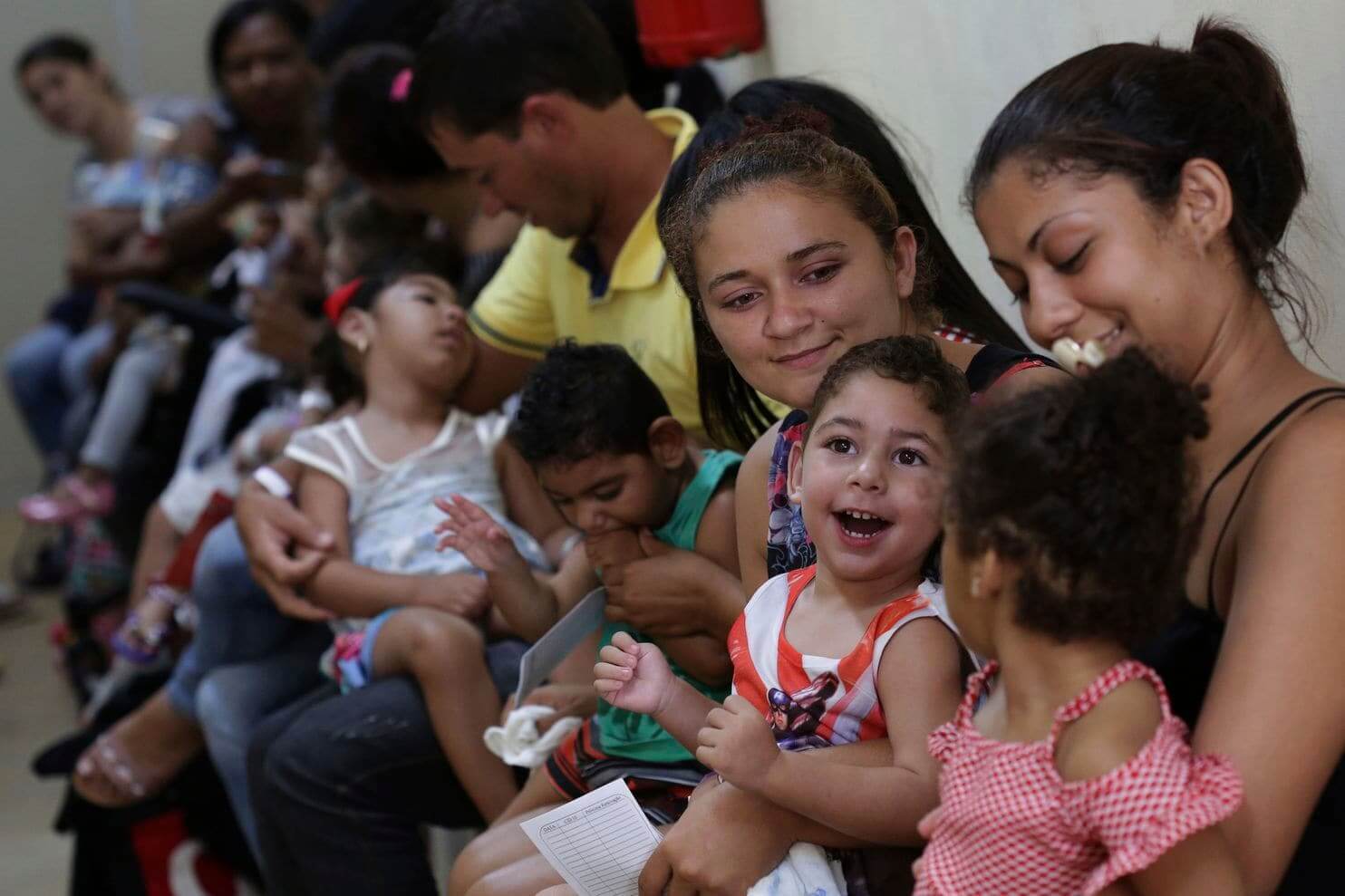
WASHINGTON POST
One-third of toddlers exposed to Zika in the womb suffer developmental problems, study says
The research further noted a higher rate of autism among children exposed to the virus than among those in the general population.
Jul 12, 2019
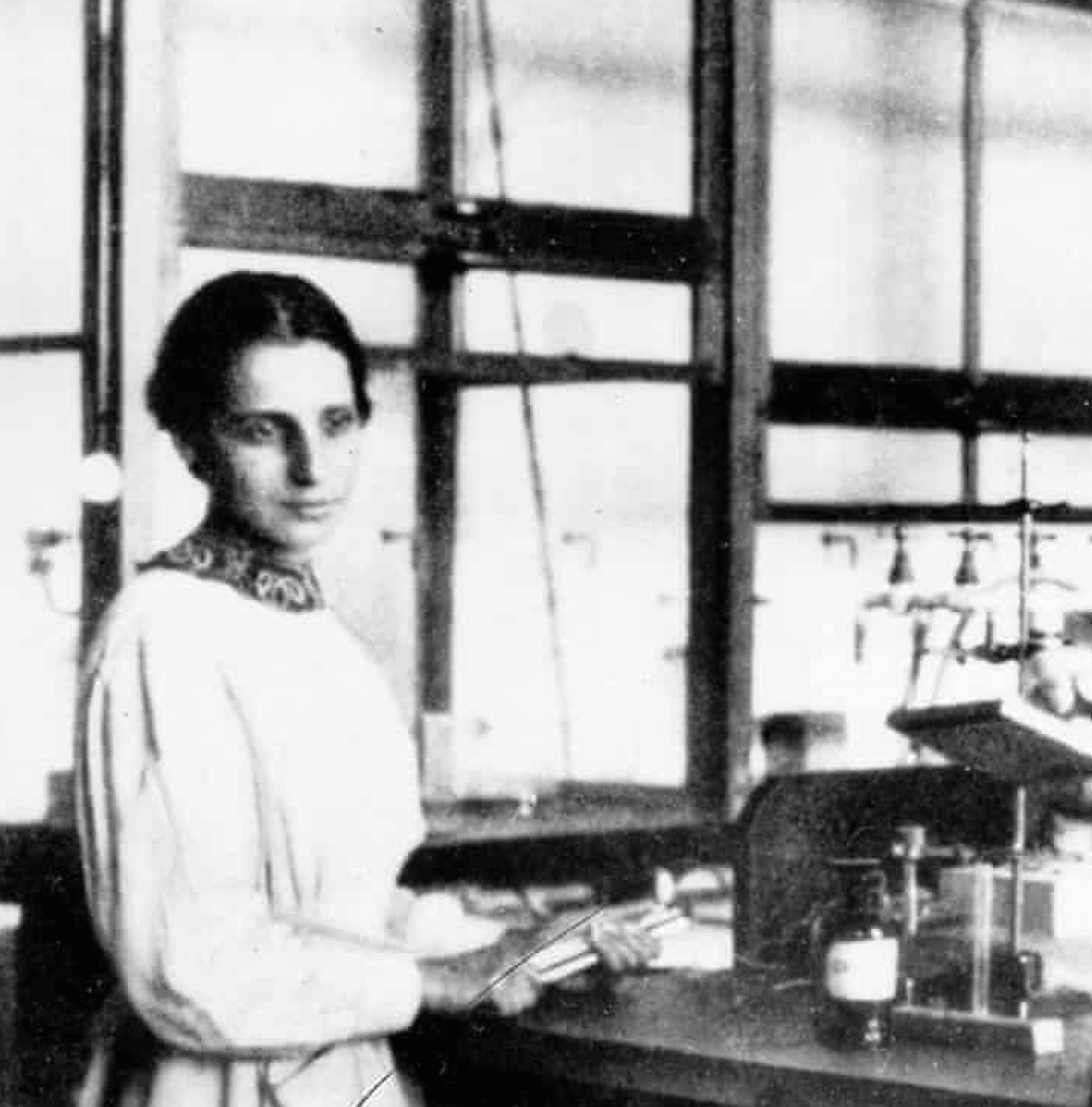
The Guardian
The five: unsung female scientists
The history of science has often seen women’s work overlooked and their credit stolen
Jun 16, 2019
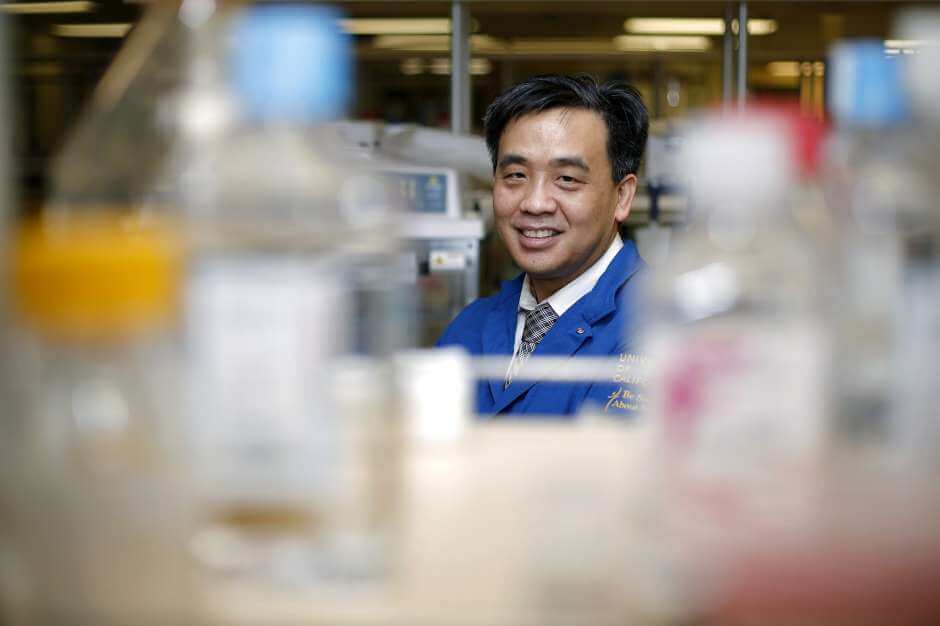
San Francisco Chronicle
UCSF tool uses DNA to identify hard-to-find sources of infection
UCSF tool uses DNA to identify hard-to-find sources of infection
Jun 12, 2019
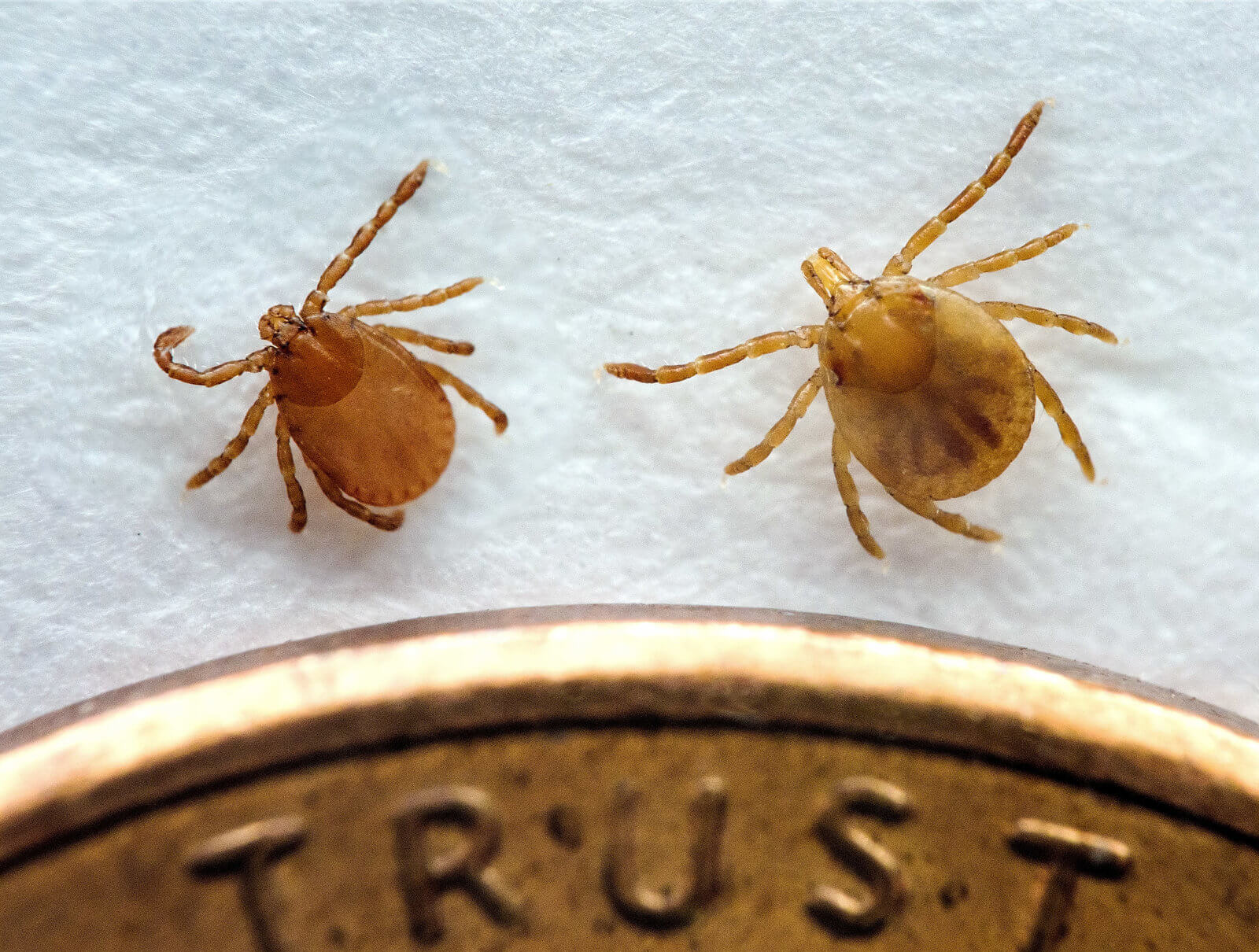
NPR
Asia's Longhorned Tick Takes Its First Documented Bite In The U.S.
The longhorned tick (Haemaphysalis longicornis) is native to Asia and was only recently discovered in North America and is known to spread pathogens that can be lethal to humans and animals. Now, for the first time, there are records of a longhorned tick bite in the U.S.
Jun 07, 2019
Science Daily
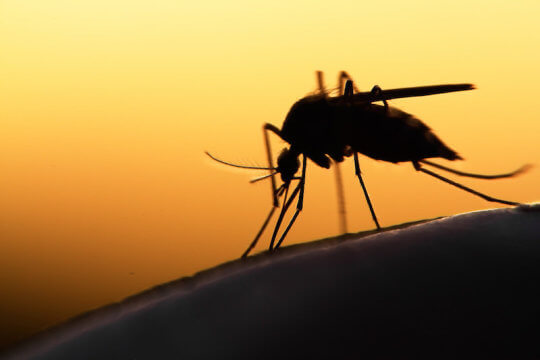
Transgenic fungus rapidly killed malaria mosquitoes in West African study
Transgenic fungus rapidly killed malaria mosquitoes in West African study
May 30, 2019
The New York Times
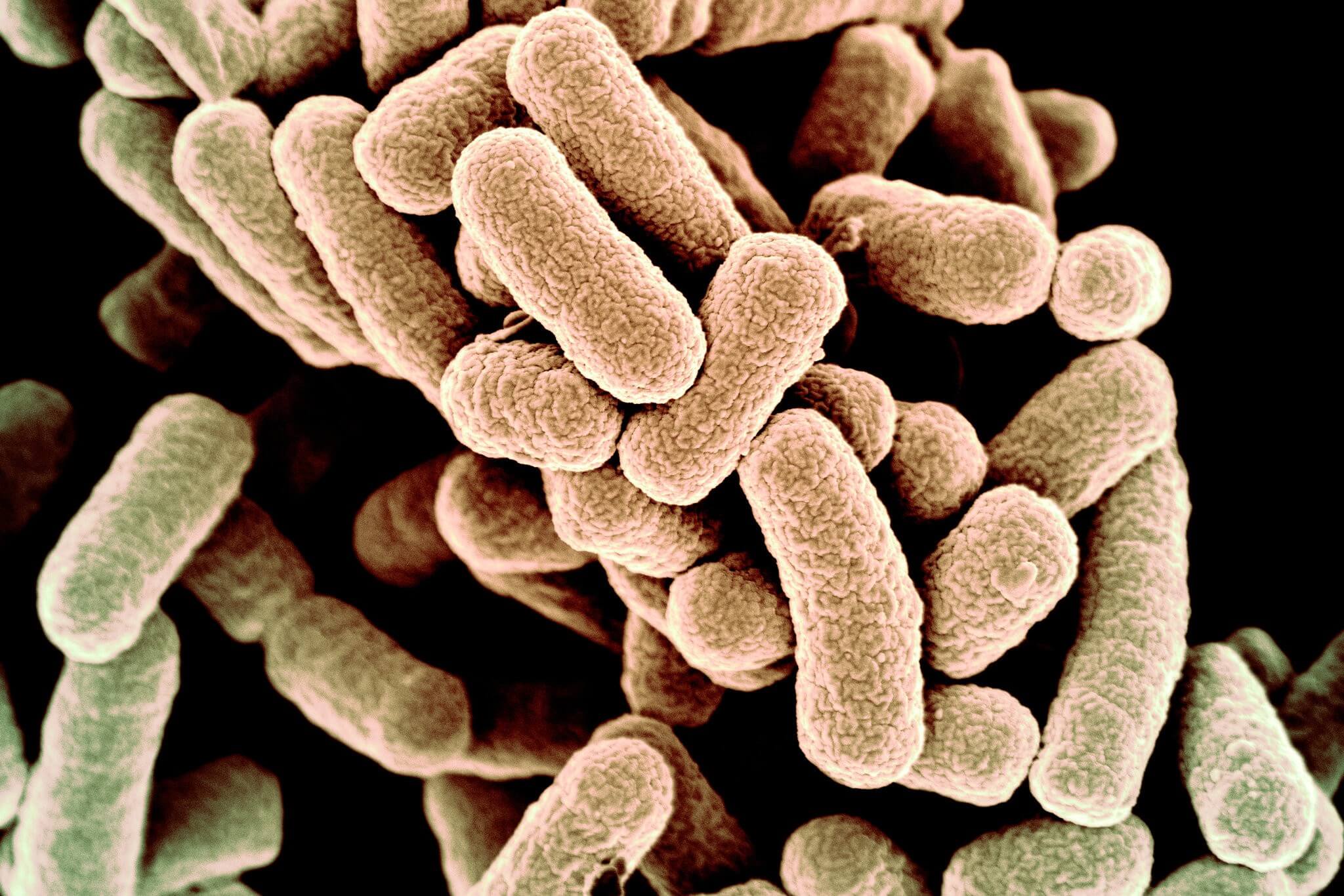
Scientists Created Bacteria With a Synthetic Genome. Is This Artificial Life?
In a milestone for synthetic biology, colonies of E. coli thrive with DNA constructed from scratch by humans, not nature.
May 17, 2019
1
2
3
4
5
...9